November 2021 - Universities

  • oxford

    Oxford University

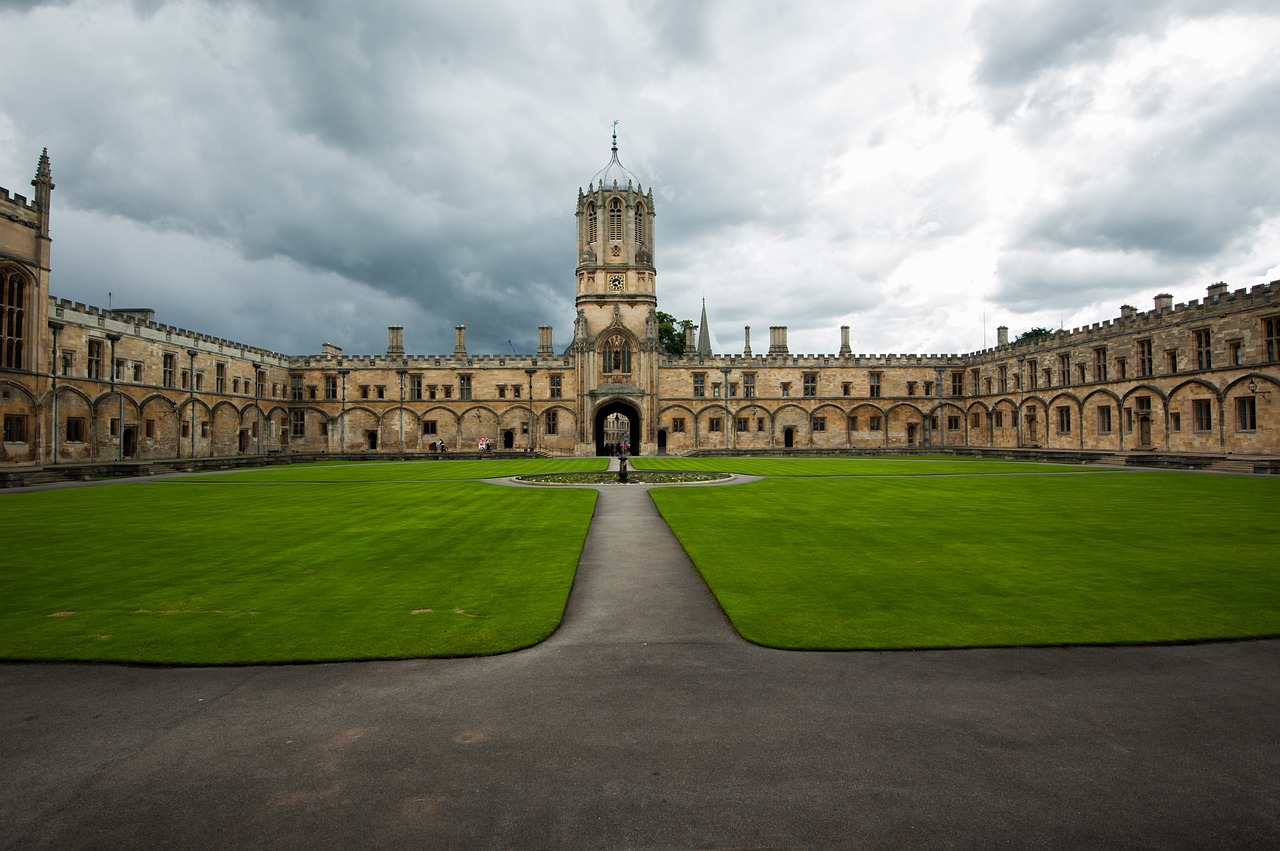
    Oxford University is one of the most prestigious universities in the world, located in Southeast England. Oxford University is one of the seven “ancient universities” of Great Britain and Ireland and is considered to be the first university in the British Isles. Oxford is part of the elite Russel Group, which consists of 24 of the best universities in England. Today Oxford University is number 1 in the world according to the international rating of Times Higher Education (THE) and number 4 after IMT, Stanford and Harvard according to QS rating. More than 70 Nobel and other prize winners have worked within its walls at different times. With the exception of medical specialties, the university has no quotas for foreigners.

    Faculties and Colleges at Oxford University

    Oxford looks like a small federative state: besides the central university there are 38 colleges (Oxford Colleges) and 6 private hostels (Permanent Private Halls), which have self-government and financial independence. Oxford Colleges are unique multidisciplinary academic communities: they have no particular areas of specialization, and students at one college can study in any of the approximately 100 academic departments: from Theology and Oriental Studies to Genetics and IT. All of them are organized into four major divisions:

    • Humanities;
    • Social Sciences;
    • Mathematical, Physical and Life Sciences;
    • Medicine.

    Oxford usually does not fall below the tenth position in any of the academic disciplines in international rankings.

    The University also has a Department for Continuing Education which offers online or part-time courses, summer schools, continuing education programs, etc.

    There is a division of roles between the central university and its departments:

    • Admissions Management. The university oversees the admissions process at all levels of training. However, the selection and admission of undergraduate students rests entirely with the colleges. In the case of master’s degrees, the University first enrolls students, after which the colleges make their own selections.
    • Facilities. The colleges provide housing, meals, recreation, and other facilities for students. The university provides centralized services, including guidance counseling, and access to libraries, laboratories, and museums.
    • Instructional process. Much of the educational process is overseen directly by the University: the content of curricula, lectures, seminars, labs, examinations and dissertations, and the awarding of degrees. The colleges are responsible for the tutoring system.

    The setting for Oxford University

    The territory of the University is truly vast: each college has its own dining hall, bar, library, common room and dormitories. Most are in or near the center of the city, so you’ll find churches, stores, cafes, pubs and restaurants close by. In addition to entertainment venues, there are theaters, museums and libraries on campus. Moreover, Oxford University has its own publishing house, where the world-famous Oxford Dictionary is printed. There’s also an arboretum and England’s oldest botanical garden.

    Classrooms and canteens at some colleges can be seen in a series of films about the young wizard Harry Potter. The Christ Church College dining hall was the most often seen in them.

    Prospects after graduation from Oxford University

    Statistics show that 91% of Oxford University graduates find a job within the first 6 months after graduation or go on to further studies. The university’s Career Service provides assistance in finding employment – it selects suitable vacancies, teaches students how to correctly prepare documents for employment and plan their career.

    The Oxford University Career Center has developed a special mobile application called Oxford Careers Fair Plus, which can be downloaded for free from the university’s official website. It allows you to learn all the necessary information about employers, new vacancies and future dates of job fairs.

    It is worth bearing in mind that it is not so easy for foreigners to stay in the UK after graduation. Until recently, the only option was to find a job with a licensed sponsor in just four months. However, since autumn 2020, the British government resumes issuing UK post-study work visa for graduates, which allows you to look for a job within 2 years after graduation c and the subsequent transition to the normal work visa.
  • greenwich

    University College London

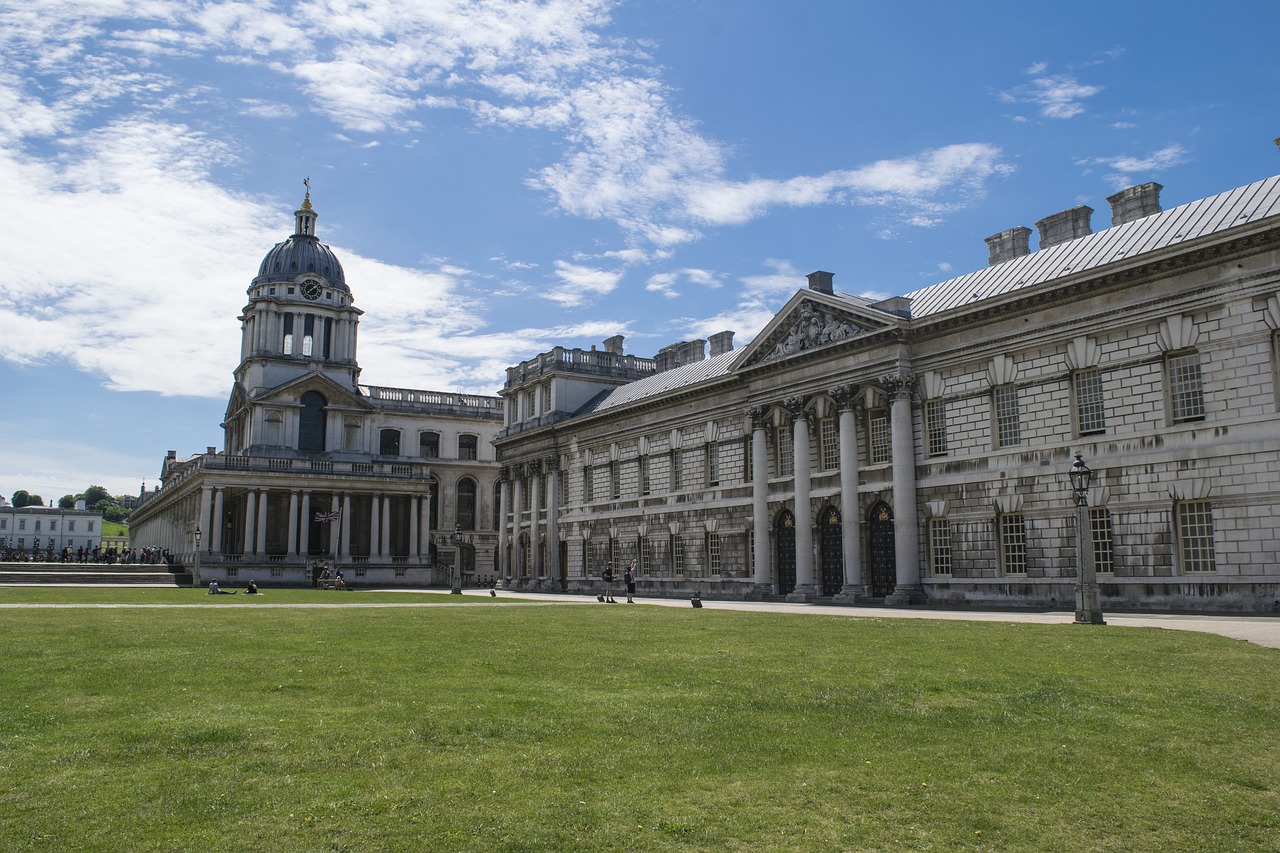
    University College London or UCL is the oldest university in London and supposedly the third oldest university in Great Britain. It is one of the three Golden Triangle universities along with Oxford and Cambridge Universities.

    History of University College London

    Ironically, University College London has a similar history to many ancient universities, as it was founded in opposition to other institutions (just as Cambridge University was created in opposition to Oxford, Yale University by disgruntled Harvard graduates).

    Two Scotsmen, the poet Thomas Campbell and the lawyer Henry Broom, inspired by the ideas of the utilitarian philosopher Jeremy Bentham and his words that the only universities in existence at the time, Oxford and Cambridge, were “two public troubles… nurseries and nurseries of political decay”, decided to found a new university, originally named London University.

    Since its founding, University College London has opened its doors to all students regardless of creed, nationality, or gender, distinguishing itself significantly from the two oldest English universities and becoming the first liberal, in keeping with the ideas of its “spiritual father” Bentham.

    University College London was founded with a department of chemistry and several departments of foreign languages. Later departments of mathematics, geography, North London Hospital, engineering, psychology, phonetics, and the famous Slade School of Fine Arts opened.

    In 1940, the University’s Main Hall and Library was severely damaged by a bomb hit. Fortunately, all students and professors were evacuated from the building as early as 1939.

    Until the early 21st century. University College London was part of the University of London and only began to issue degrees in its own name in 2005. Since then the School of Pharmacy and the Faculty of Teaching have been opened.

    Faculties of University College London

    As of 2015, University College London offers 200 undergraduate programs, 398 master’s programs and 122 doctoral or master of philosophy (MPhil) research programs in 11 faculties, each comprising several schools:

    • The Faculty of Arts and Humanities
    • The Bartlett, Faculty of Built Environment
    • Faculty of Brain Sciences
    • Faculty of Engineering
    • Faculty of Teaching and Education
    • Faculty of Law
    • Faculty of Natural Sciences
    • Faculty of Physics and Mathematics
    • Faculty of Health Sciences
    • Department of Population Health Sciences
    • Social and Historical Sciences

    Why choose University College London?

    UCL is a member of almost all major university networks in Europe – Russell Group, UNICA, G5, League of European Research Universities, Association of Commonwealth Universities and the famous Golden Triangle (Oxford-Cambridge-UCL).

    University College London has the best student/teacher ratio in the UK (number of students relative to professors) of 10:1. This allows the creation of small classes, where progress is much higher than in large ones.

    The main campus of the University is located in the heart of London (Bloomsbury district). UCL has 17 major libraries (total volume of approximately 1.5 million volumes), 7 museums, 21 student residences and 50 sports clubs across London.

  • cambridge

    Cambridge University

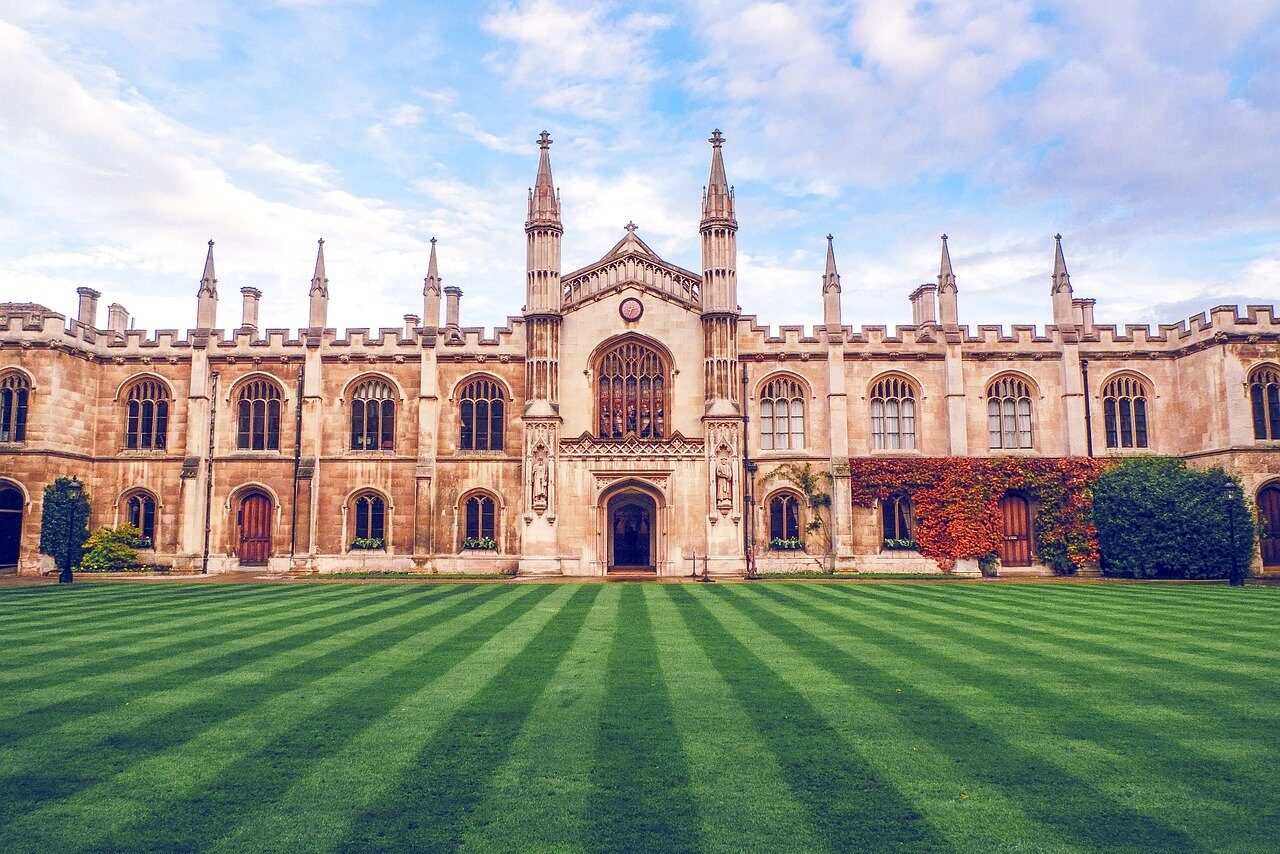
    The University of Cambridge is the second of the seven “ancient universities” after Oxford. Cambridge is one of the leaders in authoritative international rankings, such as QS or THE, on a par with Harvard and Stanford universities, both in general indicators and by individual criteria and areas of study. Students from more than 140 countries study here.

    Faculties and Colleges of the University of Cambridge

    The University of Cambridge, like its eternal rival Oxford University, is a confederation of colleges, faculties, and departments.

    In total at the University of Cambridge there are 31 autonomous colleges, each guided by its own charters and rules, including self-selection of prospective students. What makes the colleges of Cambridge unique is that they do not specialize in a particular academic area, but are interdisciplinary communities implementing student support through a system of individualized tutoring.

    In general the University offers education in six so-called Schools, or fields of knowledge:

    • Arts and Humanities;
    • Biological Sciences;
    • Clinical Medicine;
    • Humanities and Social Sciences;
    • Physical Sciences;
    • Engineering and Technology.

    Each school includes several Faculties, which teach and research one or more subject groups. The latter, in turn, are divided into more specialized Departments. A full list of the departments that make up the University of Cambridge can be found on its official website.

    Separately, it is worth mentioning the Institute of Continuing Education (ICE), which offers all sorts of part-time programs, summer schools, internships, short-term courses, including online.

    The setting of the University of Cambridge

    University of Cambridge is not only an educational institution, but also a powerful research center with many laboratories and classrooms. The campus is home to one of the largest libraries in the world, the Botanical Gardens, the Museum of Archaeology and Anthropology, the Zoological Museum, the Fitzwilliam Museum of Art, the R. R. Fitzwilliam Institute for Polar Research, and the University of Cambridge. Р. Scott and many other attractions. In addition, Cambridge University boasts majestic architectural structures. The King’s College Chapel occupies a special place among them, which was under construction for 69 years.

    With Cambridge University buildings scattered chaotically across the city, they’re often next door to stores, restaurants, cafes, and loud, atmospheric pubs.

    Sport occupies a special place in the lives of Cambridge students, so the campus has several sports complexes (fitness rooms, gyms, weight rooms), stadiums for soccer, baseball, rugby, basketball and golf grounds, tennis courts and much more. The most popular sport among students of Cambridge University is rowing. Quite often rowing competitions are held between colleges and faculties of the University, and in May the University of Cambridge team competes against the main rival – the team of Oxford University.

    The University of Cambridge runs a student-run radio station and several newspapers giving the latest news about the life and research taking place in the University. Cambridge also has a drama society, a student council that helps solve students’ pressing problems, and the Footlights comedy club.

    Prospects after graduation from Cambridge University

    The University of Cambridge has a 100% reputation among employers, according to QS rankings, which shows the wide prospects of graduates both in Britain and around the world. 90% are employed or continue their studies within 6 months of graduation. The rest are either looking for work (4%, compared to a national average of 5%) or are temporarily not planning to study/work (6%). Examples and employment statistics for different programs can be found on this website.

    Of course, in the case of international students, the employment and immigration process can be somewhat complicated by visa requirements. Until recently a graduate had only 4 months to find a job with a student visa. However, with the return of the UK post-study work visa for graduates in 2020, international students will have more time (2 years) and chances to stay in the UK.

    The Careers Service, which organizes internships and job fairs, conducts consultations and workshops on careers and related processes (CV writing, interview preparation), and offers job matching services, can be of great help in finding a job.

loader
Top